
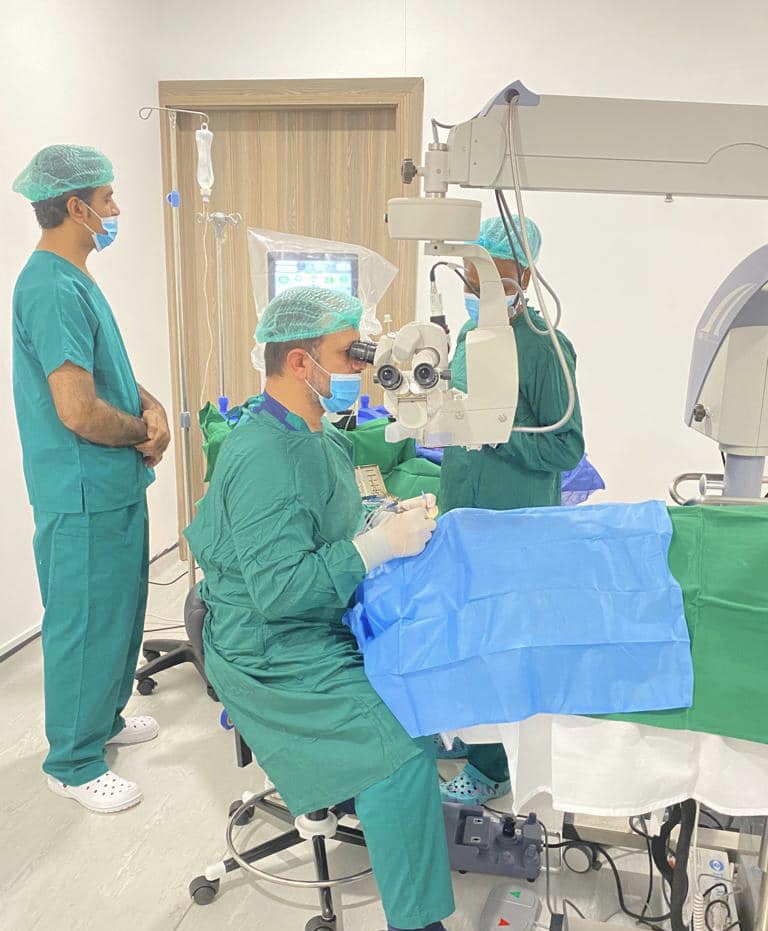
Recurring throat infections, painful swallowing, loud snoring, and disturbed sleep can significantly affect both children and adults. When these problems become frequent or severe, tonsillectomy—the surgical removal of the tonsils—may be the most effective long-term solution.
In Nairobi, tonsillectomy is one of the most commonly performed ENT procedures, offering reliable relief for patients who no longer benefit from repeated medications or conservative treatment.
A tonsillectomy is a surgical procedure to remove the palatine tonsils, which are two oval-shaped lymphoid tissues located at the back of the throat. Tonsils play a role in immune defense, especially in early childhood, but when they become chronically infected or enlarged, they can do more harm than good.
Tonsillectomy is recommended when tonsils cause:
Frequent infections
Breathing or swallowing difficulties
Sleep disturbances
Tonsils are exposed to bacteria and viruses entering through the mouth and nose. In some people—especially children—they become repeatedly infected or remain enlarged even when not infected.
Contributing factors include:
Recurrent bacterial or viral infections
Poor response to antibiotics
Allergies
Enlarged tonsils causing airway obstruction
Tonsillectomy is considered when symptoms are recurrent, severe, or persistent.
Recurrent tonsillitis (multiple episodes per year)
Chronic sore throat
Difficulty swallowing solid foods
Enlarged tonsils causing mouth breathing
Loud snoring or sleep apnea
Recurrent abscess around the tonsils (peritonsillar abscess)
Poor sleep, fatigue, or reduced school/work performance
Tonsillectomy can be performed in children, adolescents, and adults.
Children with frequent throat infections affecting school attendance
Patients with obstructive sleep-disordered breathing
Adults with chronic or recurrent tonsillitis
Patients with complications such as abscess formation
An ENT specialist evaluates the frequency, severity, and impact of symptoms before recommending surgery.
Before tonsillectomy, patients undergo:
Detailed medical history and throat examination
Assessment of infection frequency
Sleep assessment if snoring or apnea is present
Blood tests where necessary
This ensures surgery is appropriate and safe.
Tonsillectomy is carried out under general anesthesia.
The surgeon accesses the tonsils through the mouth
The tonsils are carefully removed using specialized instruments
Bleeding is controlled during surgery
The procedure takes 30–45 minutes
Most patients are discharged the same day or after overnight observation
Recovery time varies between children and adults.
Sore throat for several days
Mild ear pain (referred pain)
Difficulty swallowing initially
Gradual improvement over 10–14 days
Pain is managed with prescribed medication, and hydration is strongly encouraged.
Patients who undergo tonsillectomy often experience:
Fewer throat infections
Improved breathing
Better sleep quality
Reduced snoring
Improved appetite and energy levels
Better school or work attendance
For many, the surgery leads to a significant improvement in overall quality of life.
Tonsillectomy is among the most commonly performed ENT surgeries worldwide
Success rates for symptom relief exceed 90%
Modern surgical techniques and anesthesia have significantly improved safety
Complication rates are low when performed by experienced ENT surgeons
Tonsillectomy is generally safe, but potential risks include:
Post-operative bleeding
Pain during swallowing
Infection (rare)
Temporary voice changes
Your ENT surgeon will explain all risks and post-operative care instructions.
Not every patient with tonsillitis requires surgery.
Antibiotics
Pain relief medication
Managing contributing allergies
Tonsillectomy is recommended when medical treatment fails or complications arise.
Pain is expected but manageable with medication and usually improves after the first week.
There is no strict age limit; suitability depends on symptoms and overall health.
No. Other immune tissues in the body take over their function.
Soft foods are recommended initially; normal diet usually resumes within 1–2 weeks.
Yes. In children, both are frequently removed together if indicated.
Tonsillectomy in Nairobi is a safe and effective solution for patients suffering from recurrent throat infections, breathing difficulties, or sleep problems. When properly indicated, the procedure can dramatically improve comfort, sleep quality, and long-term health.
If frequent sore throats or snoring are affecting daily life, an ENT consultation can help determine whether tonsillectomy is the right option.