
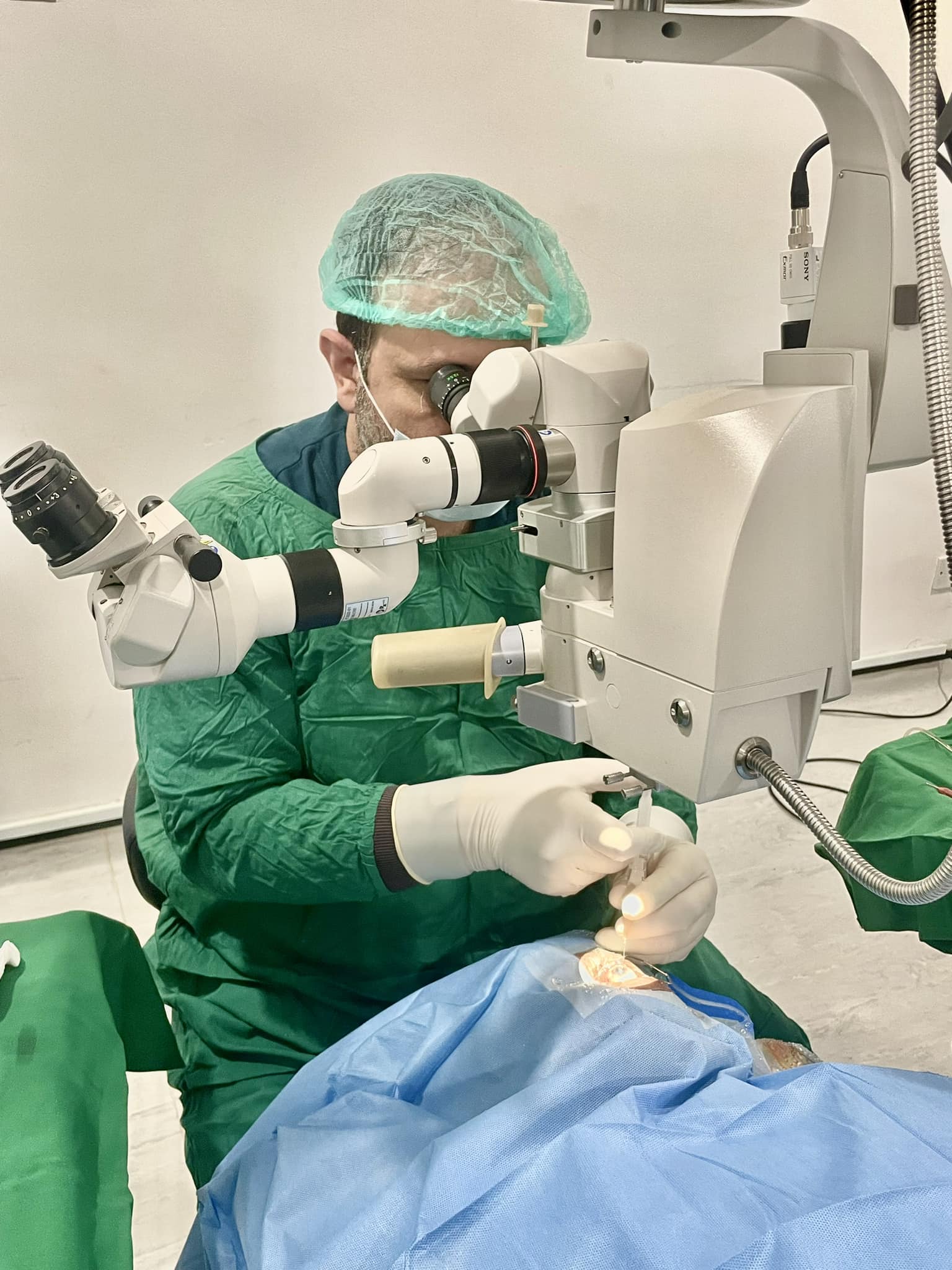
Breathing problems in children are often dismissed as “normal colds” or allergies, but when nasal blockage, snoring, mouth breathing, and recurrent ear infections become persistent, the underlying cause may be enlarged adenoids. In such cases, adenoidectomy—the surgical removal of the adenoids—offers long-term relief and improved quality of life.
In Nairobi, adenoidectomy is one of the most commonly performed pediatric ENT procedures, carried out safely using modern surgical techniques by trained specialists.
Adenoidectomy is a surgical procedure to remove the adenoids, a pad of lymphoid tissue located high at the back of the nose, behind the nasal cavity. Adenoids play a role in immune defense during early childhood, but when they become chronically enlarged or infected, they can obstruct airflow and cause repeated infections.
Unlike tonsils, adenoids are not visible through the mouth, and problems may go unnoticed until symptoms affect breathing, hearing, or sleep.
Adenoids are largest between the ages of 2 and 6 years. During this period, repeated infections, allergies, or environmental factors can cause them to swell excessively.
When enlarged, adenoids can:
Block airflow through the nose
Interfere with ear drainage
Disrupt normal sleep patterns
If untreated, chronic adenoid enlargement may affect speech development, hearing, sleep quality, and overall growth.
Adenoidectomy is considered when symptoms persist despite medical treatment.
Constant nasal blockage or congestion
Mouth breathing, especially during sleep
Loud snoring or pauses in breathing (sleep apnea)
Recurrent ear infections
Persistent fluid in the middle ear (glue ear)
Hearing difficulties
Nasal-sounding speech
Poor sleep, daytime fatigue, or behavioral changes
ENT specialists in Nairobi recommend adenoidectomy when:
Medical treatment (sprays, antibiotics, allergy control) fails
Recurrent ear or sinus infections continue
Sleep-disordered breathing is present
Hearing loss is linked to middle-ear fluid
Quality of life or development is affected
Each child undergoes a thorough ENT assessment before surgery is advised.
Adenoidectomy is a short, safe procedure done under general anesthesia.
Performed through the mouth (no external cuts)
The adenoids are removed using specialized instruments
Bleeding is carefully controlled
The procedure takes 20–40 minutes
Most patients go home the same day
The surgery is painless, and children are closely monitored during recovery.
Recovery is usually quick and uncomplicated.
Mild throat or nasal discomfort for a few days
Temporary nasal congestion or bad breath
Improved breathing within days
Return to school in 5–7 days
Full healing typically occurs within 1–2 weeks.
Children who undergo adenoidectomy often experience:
Clear nasal breathing
Better sleep and reduced snoring
Fewer ear and sinus infections
Improved hearing
Better speech and learning ability
Increased energy and concentration
Parents often notice dramatic improvement in sleep and daytime behavior.
Adenoidectomy is among the most commonly performed pediatric ENT surgeries
Global success rates exceed 85–90% for symptom relief
Complication rates are very low when performed by trained ENT surgeons
Modern anesthesia and surgical techniques used in Nairobi ensure high safety standards
Adenoidectomy is considered very safe, but minor risks include:
Mild bleeding
Temporary nasal voice
Sore throat
Infection (rare)
Serious complications are uncommon and will be discussed during consultation.
Not all children with enlarged adenoids need surgery.
Nasal steroid sprays
Antibiotics
Allergy treatment
Surgery is recommended when symptoms persist or complications develop.
Pain is usually mild and well controlled with medication.
It is commonly performed in children aged 2–10 years, but age alone is not a limitation.
No. Other immune tissues compensate, and long-term immunity is not affected.
Rarely, especially in very young children, but recurrence is uncommon.
Yes, when needed. This combined surgery is called adenotonsillectomy.
Adenoidectomy in Nairobi is a safe, effective, and life-improving procedure for children struggling with chronic breathing and ENT problems. Early diagnosis and timely surgery can significantly improve a child’s sleep, hearing, growth, and overall well-being.
If your child has persistent nasal blockage, snoring, or repeated ear infections, an ENT consultation can help determine whether adenoidectomy is the right solution